Molars contain narrow fissures where plaque bacteria metabolize sugars and produce acid, leading to localized enamel demineralization. Even with regular brushing, these areas can be difficult to clean completely. Individuals considering dental sealant in Welland, ON commonly seek clarity on how sealing vulnerable grooves can reduce acid exposure and slow the progression of enamel breakdown.
Once cured, the material seals microscopic grooves, limiting acid exposure that can weaken enamel over time. They are most commonly used on back teeth because molars naturally contain small pits and fissures that can trap plaque.
Sealants are flowable protective materials bonded to the chewing surfaces of posterior teeth to seal anatomical grooves. The natural anatomy of these teeth contains narrow pits and microscopic crevices where bacteria can remain undisturbed.
A tooth sealant bonds directly to enamel and forms a smooth surface over these grooves. Before placement, the enamel is lightly etched to create microscopic porosities. This allows the resin to penetrate the surface and form a micromechanical bond upon curing.
Sealants do not treat decay. Instead, they are used as a preventive measure to help stop cavities from forming.
Permanent molars are commonly sealed shortly after they emerge, as early exposure increases their vulnerability to bacterial colonization. In some situations, primary teeth may also benefit if cavity risk is elevated.
Caries develop when bacterial fermentation of sugars creates acidic conditions that dissolve the mineral content of the tooth surface. Narrow pits in molars allow bacterial colonies to develop undisturbed, exposing adjacent enamel to sustained acid contact.
Sealants create a protective covering over these vulnerable areas. By smoothing the surface, toothbrush bristles can more effectively remove plaque and limit bacterial retention. This added layer of tooth cavity protection supports daily oral hygiene, especially for children and patients who have experienced previous decay.
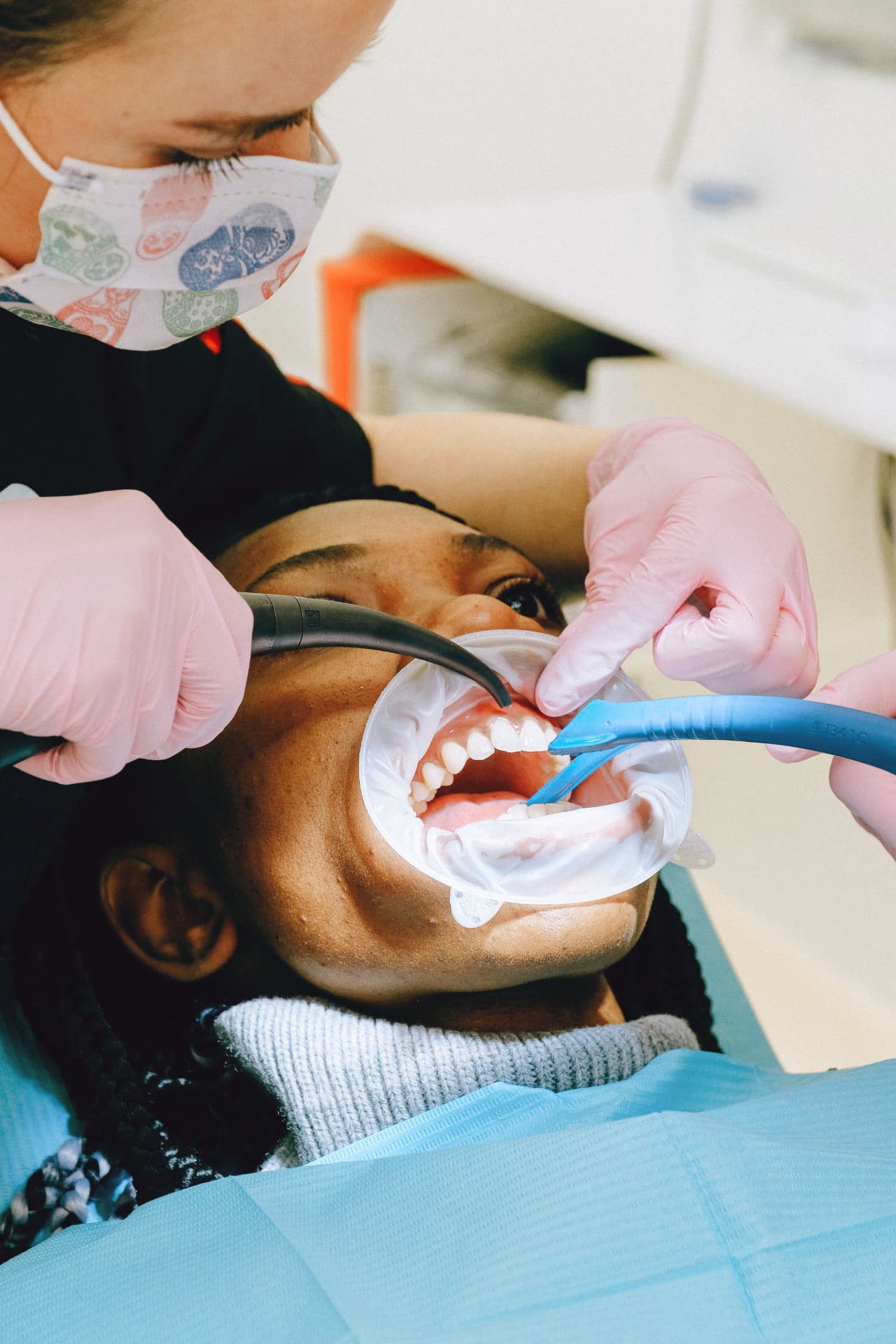
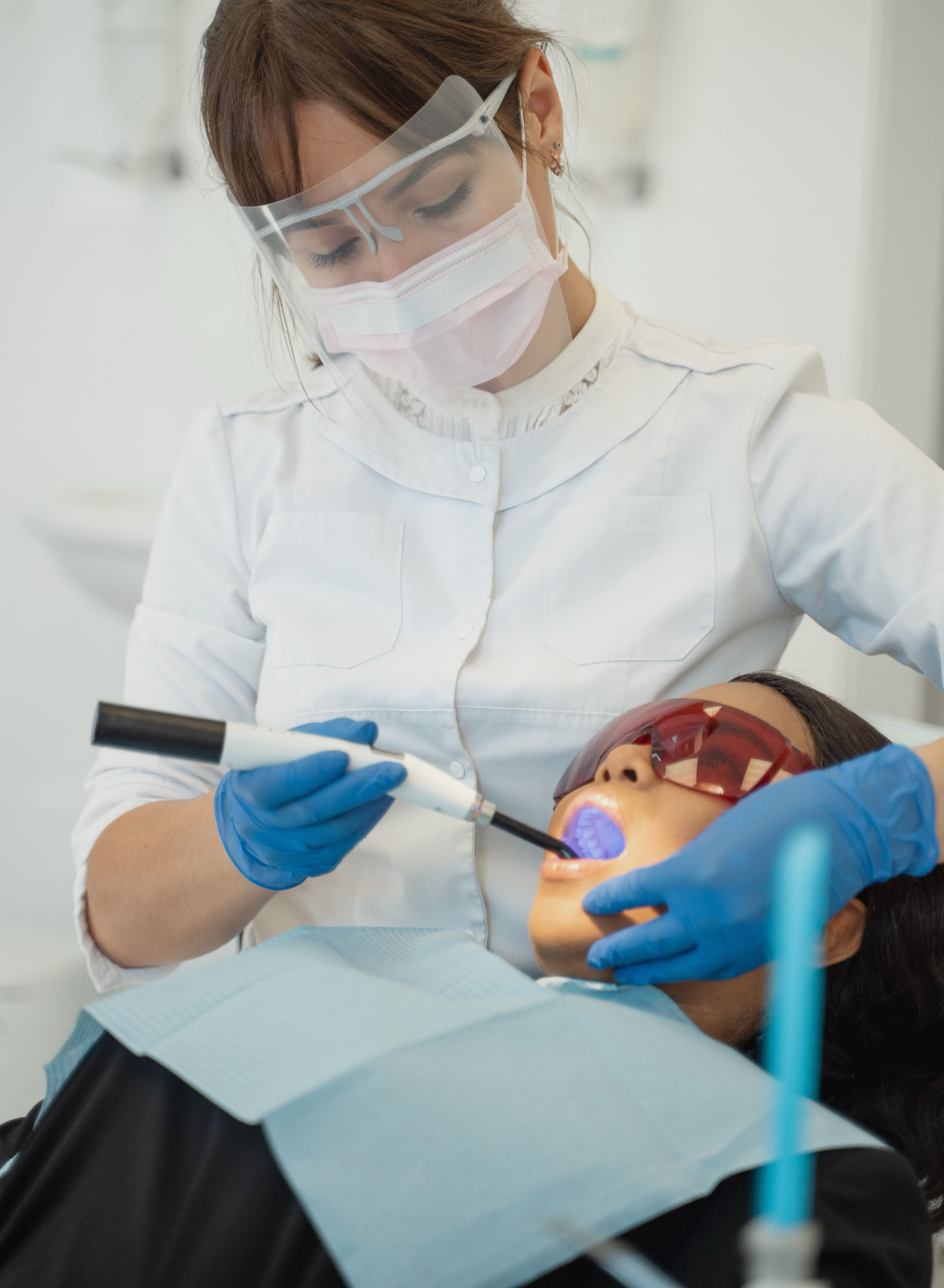
Applying sealants is simple and does not require drilling or anesthesia. The process usually includes:
Each tooth can typically be sealed within several minutes, and no recovery period is required afterward. Once cured, the material bonds securely to the enamel surface. The bite is checked to ensure comfort.
Children and teenagers are common candidates because newly erupted molars are more susceptible to cavities. The first permanent molars typically appear around age six, followed by the second set around age twelve. Placing sealants shortly after eruption protects enamel at a stage when the tooth surface is newly exposed and more susceptible to bacterial colonization.
Adults may also benefit if their molars have deep grooves and no existing decay or large restorations. Candidacy is influenced by fissure depth, previous caries experience, fluoride exposure, salivary quality, and brushing effectivenessA dentist in Welland assesses surface condition, caries risk, and existing restorations before recommending sealant application.
Because most posterior decay begins in pits and fissures rather than smooth enamel surfaces, sealing these anatomical grooves directly targets the highest-risk regions.
For children, this approach supports preventive care during the years when the brushing technique is still developing.
For adults, sealants may reduce the likelihood of decay in teeth that have remained cavity-free but contain deep fissures. Because the procedure does not remove tooth structure, it is considered a conservative preventive approach.
Patients visiting a Welland dental clinic often include sealants as part of a broader preventive plan that also includes fluoride exposure, proper brushing, and routine examinations.
Sealants at Welland Dental Centre are durable but not permanent. With proper care, they can remain effective for several years. During routine checkups, the dentist examines the sealant surface to confirm it remains intact.
Occlusal forces may gradually thin the material over time. Partial wear or loss can expose previously sealed fissures to renewed bacterial accumulation. If a sealant becomes chipped or worn, it can typically be repaired or replaced quickly.
Dental sealants are a preventive solution for tooth cavity protection that helps shield molars from decay when placed on appropriate surfaces. When combined with good daily hygiene and professional monitoring, they reduce the risk of cavities in vulnerable areas. Early application followed by periodic clinical evaluation allows timely repair if wear occurs.