
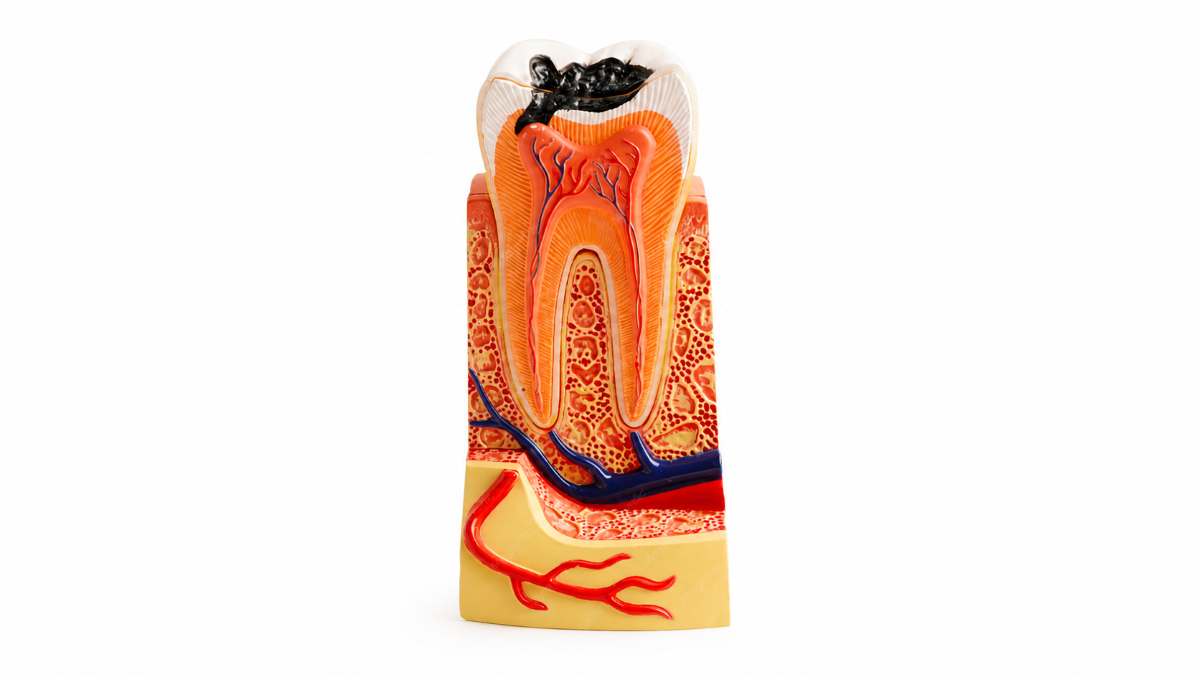
A root canal treats a tooth when the pulp inside it has become infected or damaged. The dentist removes the affected pulp, cleans and seals the root canals, and uses local numbing for comfort. Persistent pain, biting discomfort, swelling, or lingering hot-and-cold sensitivity may lead to an assessment, but an examination is needed to confirm the cause.
Persistent Tooth Pain Needs a Diagnosis, Not an Automatic Root Canal
- Symptoms may include persistent pain or sensitivity, biting pain, swelling, or lingering hot/cold sensitivity.
- Symptoms alone do not confirm that a root canal is needed.
- Treatment removes infected or damaged pulp and cleans and seals the canals.
- Local numbing is used, and comfort is monitored during treatment.
- Mild soreness or sensitivity may occur afterward and typically improves within a few days.
- Cost depends on tooth type and complexity, with insurance reviewed when applicable.
Root canal treatment is one of the services where search results can make patients more anxious than informed. The page should answer the main questions directly without promising that every painful tooth needs a root canal or that treatment is completely painless for everyone.
Welland Dental Centre was already ranking through its endodontics page, so the rebuild should preserve the root-canal intent while removing any unverified implication that the treating dentist is an endodontist or specialist.
What Is a Root Canal?
A root canal is a treatment for a tooth with infected or damaged pulp inside it.
The dentist removes the affected pulp, cleans the root canals inside the tooth, and seals them. Local numbing is used to support comfort, and the procedure is explained before treatment begins.
The goal is to treat the problem inside the tooth and preserve the tooth when that is the appropriate option.
What Symptoms Can Lead to a Root Canal Assessment?
Welland Dental Centre identifies several symptoms that may lead to examination:
- Persistent tooth pain or sensitivity
- Pain when chewing or biting
- Swelling in the gums or jaw
- Hot or cold sensitivity that lingers
These symptoms can be important, but they are not a diagnosis by themselves. The dentist confirms what is happening through an examination before recommending treatment.
If pain or swelling becomes urgent, Emergency Dentist care may be the more appropriate first step for assessment.
How Does the Dentist Decide Whether a Root Canal Is Necessary?
The clinic emphasizes clear explanation of why treatment is being recommended and discusses alternatives when appropriate.
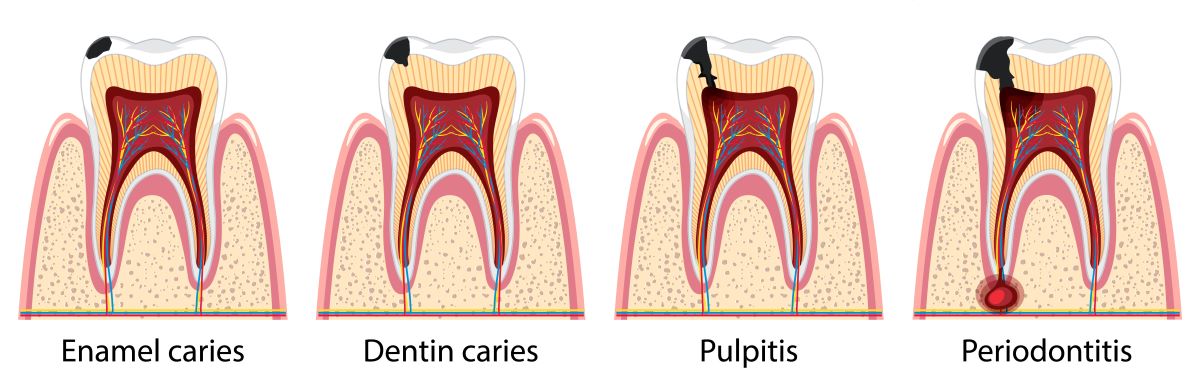
The dentist considers the examination findings and whether the problem involves infected or damaged pulp. A cavity that has not reached that stage may be treated with a Dental Filling instead.
The page should not tell a patient that a root canal is unavoidable simply because a tooth hurts. The clinical finding determines the treatment.
What Happens During Root Canal Treatment?
Welland Dental Centre confirms the following core treatment steps:
- Explain the findings and why root canal treatment is being recommended.
- Use local numbing to support patient comfort.
- Remove infected or damaged pulp from inside the tooth.
- Clean the root canals.
- Seal the root canals.
- Monitor comfort throughout the visit.
- Provide recovery and pain-management instructions.
The current clinical answers do not provide a universal number of canals, instruments, irrigants, medications, or appointment minutes. Those technical details should not be invented for the website.
Do Root Canals Hurt?
Local numbing is used to support comfort during treatment, and the dentist monitors the patient throughout the visit.
After treatment, mild soreness or sensitivity may occur. The clinic states that symptoms typically improve within a few days and that pain-management instructions are provided.
This is a more accurate answer than promising that a root canal is always painless or suggesting that severe pain is expected for everyone.
How Long Does a Root Canal Take?
There is no single fixed procedure time in the clinic's current answers.
The appointment plan depends on the tooth type and treatment complexity. Your dentist should explain the expected visit structure before treatment instead of relying on a generic internet average.
This also helps avoid a common SEO mistake: answering a high-volume timing question with a number the clinic has never approved.
What Should You Expect After a Root Canal?
Mild soreness or sensitivity may occur after treatment and typically improves within a few days.
Pain-management instructions are provided, normal activities are generally resumed shortly after, and follow-up care is discussed if needed.
The clinic does not provide one universal eating rule or detailed food list in the root canal answers. Follow the instructions given for your own tooth and any temporary or final restoration involved.
Will the Tooth Need a Crown After a Root Canal?
Welland Dental Centre states that crowns are often recommended after root canal treatment when a treated tooth needs protection.
That does not mean every root-canal-treated tooth automatically receives the same restoration. The dentist evaluates the tooth and explains whether Dental Crowns and Bridges is relevant to the individual case.
If a crown is recommended, ask why the tooth needs that level of protection and how the crown fits into the final restorative plan.
Root Canal vs Filling: What Is the Difference?
A filling repairs a tooth affected by decay or minor damage. A root canal treats the infected or damaged pulp inside a tooth.
The clinic emphasizes early detection and treating cavities before they become more extensive. Preventive care and timely fillings may reduce the risk of deeper problems, but the website should not suggest that every root canal could have been prevented.
The correct treatment depends on the condition of the tooth when it is examined.
Root Canal vs Tooth Extraction
Root canal treatment and Tooth Extraction are different ways of managing a tooth that has a serious problem.
The clinic discusses the long-term value of root canal treatment compared with extraction and explains alternatives when appropriate.
A root canal aims to preserve the natural tooth when it can be treated. Extraction removes a tooth that cannot be saved or when removal is otherwise the appropriate plan. If extraction is considered, replacement options may also need to be discussed.
Can a Root Canal Be Avoided?
Welland Dental Centre emphasizes early detection through regular Dental Exams, treating cavities early, and preventive care to reduce risk.
Those steps can help manage dental problems earlier, but they are not a guarantee that no patient will ever need root canal treatment. Trauma, cracks, previous treatment, and other clinical factors may also affect a tooth.
The safe patient message is to assess symptoms early and treat the actual finding rather than waiting for pain to decide the treatment for you.
How Much Does Root Canal Treatment Cost?
There is no single root canal price for every tooth.
Welland Dental Centre states that cost varies according to tooth type and treatment complexity. Insurance coverage is reviewed when applicable, and the expected cost is discussed before treatment begins.
Patients searching for root canal cost in Ontario or root canal cost near me should receive a personalized estimate rather than a universal website fee that ignores the tooth being treated.
Does Insurance or CDCP Cover Root Canal Treatment?
Insurance coverage is reviewed when applicable. The amount covered depends on the individual plan.
For CDCP, coverage depends on current program authorization, limits, and the patient's treatment plan. See Dentist Accepting CDCP for the clinic's current CDCP process and ask for an estimate before treatment.
The service page should not promise full coverage.
What About the Existing Root Canal Article?
Welland Dental Centre already has an informational article about root canals and endodontic treatment. That article should remain a separate educational asset rather than being replaced by this local service page.
The service page owns the local treatment and booking intent. The article can continue to answer broader educational questions and link patients here when they are ready for an assessment.
FAQs About Root Canal Welland
What are the signs that I may need a root canal?
What happens during a root canal?
Do root canals hurt?
How long does a root canal take?
What should I expect after root canal treatment?
How much does a root canal cost?
Save the Tooth When Root Canal Treatment Is the Right Option
A root canal should follow a clear diagnosis, with an explanation of the procedure, comfort plan, recovery, final restoration, alternatives, and cost. Book a root canal assessment in Welland if you have persistent pain, biting discomfort, swelling, or lingering sensitivity and want to understand the right next step.