
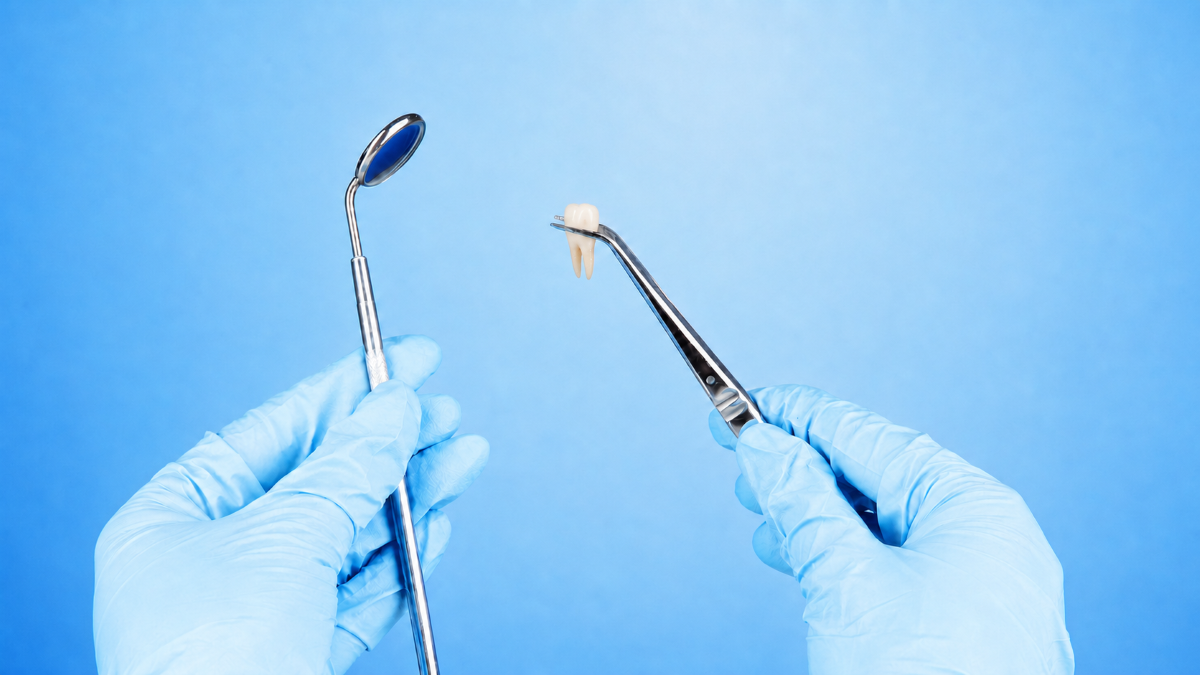
A tooth extraction removes a tooth that cannot be saved or needs to be removed for another dental plan. The decision is based on an examination and imaging. Local numbing is used during the procedure, and the dentist explains whether the extraction is simple or surgical, what recovery may involve and whether tooth replacement should be discussed.
Remove a Tooth Only When the Plan Calls for It
- Extraction may be recommended for severe decay or damage, infection or advanced gum disease.
- A tooth may also need removal for orthodontic or restorative planning.
- The decision is based on examination and imaging.
- Local numbing is used during the procedure.
- Most patients are expected to feel pressure rather than pain during removal.
- Aftercare and tooth-replacement options are explained when relevant.
Searching for a tooth extraction in Welland does not always mean the tooth has to come out. A painful or damaged tooth first needs an assessment so the dentist can determine whether it can be treated or whether removal is the appropriate option.
If extraction is recommended, you should understand why the tooth cannot be preserved, what type of extraction is planned, how comfort will be managed and what the next step may be after the tooth is removed.
When Is Tooth Extraction Recommended?
Welland Dental Centre may recommend an extraction when a tooth cannot be saved because of severe decay or damage, infection or advanced gum disease.
Removal can also be part of orthodontic or restorative planning. In those situations, the tooth may not be the source of pain, but its removal may be connected to the broader treatment plan.
The decision is made after clinical examination and imaging rather than from symptoms alone.
A toothache, crack or infection can have more than one treatment path. The assessment is what determines whether preservation or removal should be discussed.
Can the Tooth Be Saved Instead?
That question should be answered before a routine extraction whenever preservation is a realistic possibility.
Depending on the condition of the tooth, another restorative treatment may be discussed instead of removal. For example, Dental Fillings, Crowns and Bridges or Root Canal Treatment may be relevant in some cases after assessment.
The page does not imply that one of those treatments can save every tooth. The point is that extraction should follow the diagnosis, not simply the presence of pain.
What Happens During a Tooth Extraction?
The dentist carefully loosens and removes the tooth. Local numbing is used to minimize discomfort, and patient comfort is monitored throughout the procedure.
Before treatment, the dentist explains the procedure and, when relevant, whether the extraction is considered simple or surgical.
Imaging and clinical findings help the dentist plan access and understand the tooth's position before removal.
Simple vs Surgical Tooth Extraction
A simple and a surgical extraction are not identical procedures.
The dentist explains the difference when it matters to your case. The plan can depend on the tooth's location, how accessible it is and the overall complexity shown during examination and imaging.
More complex or impacted cases may connect to Oral Surgery. Wisdom teeth have their own decision and recovery considerations and are covered separately under Wisdom Teeth Removal.
Does Tooth Extraction Hurt?
Local numbing is used during the extraction, and the clinic states that most patients feel pressure rather than pain during removal.
After the procedure, mild to moderate soreness can occur. Swelling or tenderness may also happen temporarily.
Pain-management guidance is provided as part of the aftercare plan. This page should not be read as a promise of a pain-free procedure or recovery.
What Should You Expect During Recovery?
The clinic states that symptoms typically improve within a few days.
Day-three discomfort is discussed as something that can occur during normal healing, so a patient should not assume that every recovery feels best immediately after the procedure.
The exact recovery varies with the tooth, the type of extraction and the individual patient. Your written instructions should be the main guide for your own case.
What Should You Avoid After an Extraction?
Welland Dental Centre provides procedure-specific instructions about eating, rinsing and activity.
Smoking and strenuous activity are discouraged during healing.
The clinic information does not provide one universal hour-by-hour diet, rinsing schedule or return-to-work timeline. Those details should come from the instructions provided for the actual extraction.
Following the specific plan is more useful than applying a generic online recovery schedule to every type of tooth removal.
When Should You Contact the Dental Office After Extraction?
Your post-operative instructions should explain what to expect and what concerns should prompt contact with the office.
Because the clinic provides pain-management guidance and recovery instructions for the individual procedure, use those directions if your symptoms do not follow the expected course or you are unsure about healing.
This page intentionally does not invent a universal list of complication thresholds that is not included in the clinic-provided instructions.
What Happens After the Tooth Is Removed?
Tooth-replacement options are explained when needed.
Whether a space needs to be replaced depends on the reason for removal and the broader restorative plan. Options such as Dental Implants, bridges or dentures should be discussed only when they are relevant to the individual case.
If removal is part of orthodontic planning, the next step may be connected to that treatment rather than replacement of the extracted tooth.
How Much Does Tooth Extraction Cost?
There is no single fixed tooth extraction cost in the clinic information.
Cost varies according to the tooth location and procedure complexity. A straightforward extraction and a more involved surgical case may therefore have different fees.
Insurance coverage is reviewed when applicable, and the cost is discussed before treatment begins. If replacement is needed later, that treatment should be discussed separately rather than assuming it is included in the extraction price.
Tooth Extraction vs Wisdom Tooth Removal
Wisdom tooth removal is a type of extraction, but third molars have additional planning questions involving tooth position, available jaw space, infection or decay, effects on nearby teeth or the bite, and whether the tooth should be monitored instead.
For that reason, patients specifically dealing with third molars should use the Wisdom Teeth Removal page rather than relying only on general extraction information.
For any other tooth, the main question remains whether the tooth can be saved and, if not, what type of removal and follow-up plan is appropriate.
What Should a Tooth Extraction Estimate Make Clear?
Because extraction cost varies by tooth location and complexity, an estimate is more useful when it clearly identifies the procedure being planned. Ask whether the tooth is expected to require a simple or surgical approach and whether any separate surgical or sedation service is being discussed.
If the tooth will eventually need replacement, that later treatment should also be distinguished from the extraction itself. A clear estimate lets you understand what is being completed now and what may be part of a future restorative plan.
What if the Tooth Is Being Removed for Orthodontic or Restorative Planning?
Not every extraction is performed because a tooth is painful or infected. A tooth may also be removed as part of orthodontic or restorative planning.
In those situations, ask how the extraction fits the larger plan and what happens next. The reason for removal should be understandable even when the tooth itself is not the source of an urgent symptom.
FAQs About Tooth Extraction Welland
When is a tooth extraction recommended?
Does a tooth extraction hurt?
What is the difference between a simple and surgical extraction?
How long does tooth extraction recovery take?
What should I avoid after tooth extraction?
How much does a tooth extraction cost?
Get a Clear Answer About Whether the Tooth Can Be Saved
A recommendation for removal should come with a clear explanation of why the tooth cannot be preserved and what the extraction plan involves. Book a tooth extraction assessment in Welland to review preservation options, removal, comfort, recovery, cost and possible replacement planning.