

Wisdom teeth are the third molars at the very back of the mouth. They do not always need to be removed, but extraction may be recommended when there is not enough room for them to grow properly or when they are causing pain, infection, decay, gum problems, or damage to nearby teeth.
Not Every Wisdom Tooth Needs to Come Out
- Wisdom teeth usually emerge in the late teens or early adulthood, but timing varies.
- Development can be monitored during dental exams.
- Pain, pressure, swollen gums or difficulty opening the mouth can justify assessment.
- The decision to monitor or remove depends on position, jaw space, infection, decay, gum health and effects on nearby teeth or the bite.
- Local numbing is used for removal, and sedation may be discussed when appropriate.
- Recovery and cost vary with tooth position and procedure complexity.
A search for wisdom teeth removal in Welland often starts with a symptom, an X-ray finding or an orthodontic recommendation. The next step is not automatically extraction.
The dentist first needs to decide whether the third molar can be monitored safely or whether the current risk makes removal the more appropriate option.
What Are Wisdom Teeth?
Wisdom teeth are the third molars located at the back of the mouth.
They usually begin to emerge in the late teens or early adulthood, although the timing can vary from person to person.
Because they develop later than the other permanent teeth, their position and eruption can be monitored during Dental Exams.
Some wisdom teeth remain quiet and may only need monitoring. Others create problems because of their position, the amount of space available or changes in the surrounding teeth and gums.
What Are Signs That Wisdom Teeth May Be Causing Problems?
Welland Dental Centre identifies several symptoms that may occur when wisdom teeth are coming in or creating a problem.
- Jaw pain or pressure at the back of the mouth
- Swelling or tenderness in the gums
- Difficulty opening the mouth fully
- Headaches or ear-related discomfort
These symptoms are not enough to decide on extraction by themselves. The clinic assesses them through a clinical examination and imaging.
If you have no symptoms, the dentist may still monitor the development and position of the teeth during routine care.
Do All Wisdom Teeth Need to Be Removed?
No. A wisdom tooth can be monitored or removed depending on the individual findings.
The dentist considers the position and alignment of the tooth, the amount of space in the jaw, signs of infection, decay or gum disease, and whether the tooth is affecting nearby teeth or the bite.
Age and risk are also part of the discussion. If an orthodontist has recommended removal during or after orthodontic treatment, that recommendation is considered alongside the current dental findings.
This is why “I have wisdom teeth” and “I need wisdom teeth removed” are not the same conclusion.
How Does the Dentist Decide Between Monitoring and Removal?
The decision is based on the balance between current findings and future risk rather than a fixed age or universal rule.
Questions the dentist may need to answer include:
- How is the wisdom tooth positioned?
- Is there enough room in the jaw?
- Is there infection, decay or gum disease?
- Is the tooth affecting a nearby tooth?
- Is the bite being affected?
- Is an orthodontic recommendation relevant to the current plan?
- Does the tooth appear appropriate to monitor instead?
The result of that assessment should be explained before extraction is scheduled.
What Happens During Wisdom Tooth Removal?
The procedure is explained clearly before treatment begins.
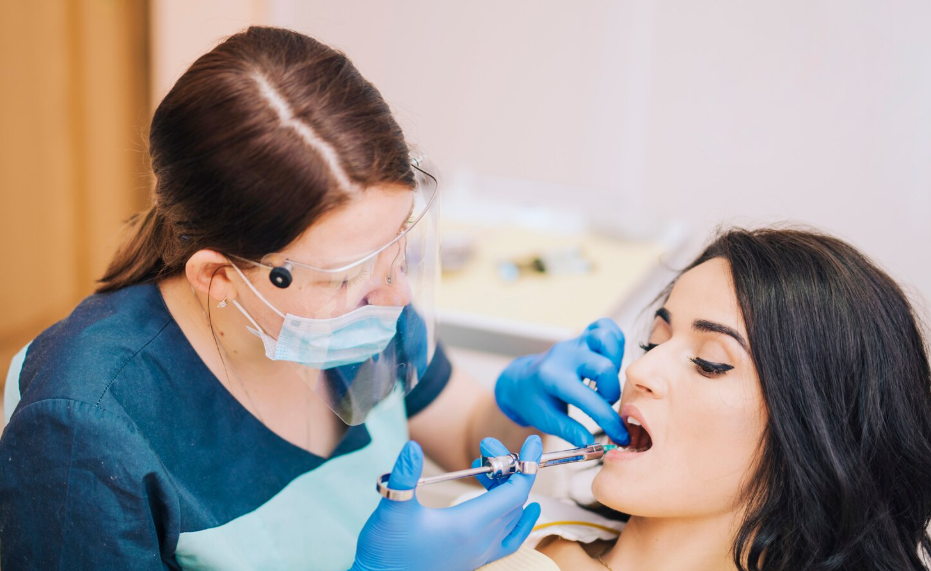
Local numbing is used, and sedation options may be discussed when appropriate. The exact approach depends on the tooth position and complexity.
Wisdom tooth removal is classified as Oral Surgery. Some teeth may be more difficult to access than others, which is why imaging and surgical planning matter.
The patient should understand the planned procedure, comfort option and expected recovery before treatment starts.
Does Wisdom Teeth Removal Hurt?
Local numbing is used during the procedure, and additional sedation can be discussed when appropriate.
During recovery, mild to moderate discomfort may occur. Swelling is also discussed as part of the healing process.
Pain-management guidance and post-operative instructions are provided. The page should not promise a pain-free extraction or identical recovery for every patient.
If sedation is being considered, the Sedation Dentistry page explains the clinic's confirmed options and individualized planning.
How Long Does Wisdom Teeth Removal Recovery Take?
There is no one fixed wisdom teeth recovery timeline for every patient in the clinic information.
Recovery depends on tooth position and procedure complexity. Before treatment, the dental team explains the expected timeline, including swelling and healing.
After the extraction, follow the procedure-specific post-operative instructions you receive. Those instructions should take priority over generic recovery schedules online.
What if an Orthodontist Recommends Wisdom Tooth Removal?
The clinic specifically notes that an orthodontist may recommend wisdom tooth removal during or after orthodontic treatment.
That recommendation is considered together with tooth position, jaw space, infection, decay, gum health and effects on nearby teeth or the bite.
This keeps the decision connected to the overall dental plan rather than treating an orthodontic recommendation as the only factor.
Wisdom Tooth Removal vs a Regular Tooth Extraction
Both procedures remove a tooth, but wisdom teeth have additional planning questions because they are third molars at the back of the mouth and may be impacted or difficult to access.
For a non-wisdom tooth that cannot be saved, see Tooth Extraction. That page focuses on severe decay, damage, infection, gum disease and restorative or orthodontic planning for other teeth.
For third molars, the key decision is whether monitoring remains appropriate or whether removal is now indicated by the findings.
How Much Does Wisdom Teeth Removal Cost?
There is no single fixed wisdom teeth removal cost because pricing depends on the tooth position and procedure complexity.
Sedation and surgical factors may also affect the total cost.
Insurance coverage is reviewed when applicable, and the clinic provides a cost breakdown before treatment begins. The team also explains priorities so the patient can make an informed decision about the recommended care.
Does Insurance or CDCP Cover Wisdom Teeth Removal?
Dental insurance coverage is reviewed when applicable, but coverage depends on the individual plan and the procedure.
Welland Dental Centre also accepts CDCP patients. CDCP coverage for a specific wisdom-tooth procedure depends on authorization, program limits and the individual treatment plan.
For current clinic participation and cost-process information, see Dentist Accepting CDCP.
What Happens if a Wisdom Tooth Is Monitored Instead of Removed?
Monitoring means the tooth remains under review rather than being treated as permanently problem-free. Its development, position and surrounding oral health can be reassessed during dental examinations, especially if symptoms or new findings appear.
If pain, swelling, infection, decay, gum disease or effects on nearby teeth develop, the balance between monitoring and removal can change. The dentist can then explain whether extraction has become the more appropriate option.
Why Does Imaging Matter in Wisdom-Tooth Planning?
Symptoms alone cannot show the full position of a third molar or how it relates to surrounding structures. Examination and imaging are used when assessing wisdom-tooth concerns.
Those findings help the dentist discuss tooth position, jaw space and the complexity of removal. They also support a more realistic conversation about procedure planning, sedation and recovery before treatment is scheduled.
FAQs About Wisdom Teeth Removal
When do wisdom teeth usually appear?
What symptoms can wisdom teeth cause?
Do all wisdom teeth need to be removed?
Does wisdom teeth removal hurt?
How long does recovery take after wisdom teeth removal?
How much does wisdom teeth removal cost?
Know Whether Monitoring or Removal Makes More Sense
Wisdom teeth do not need to be removed simply because they are present. The decision should come from the position of the tooth, available space, current problems and the risk of leaving it in place. Book a wisdom-tooth assessment in Welland to review symptoms, imaging, monitoring versus removal, comfort options, recovery and cost.