
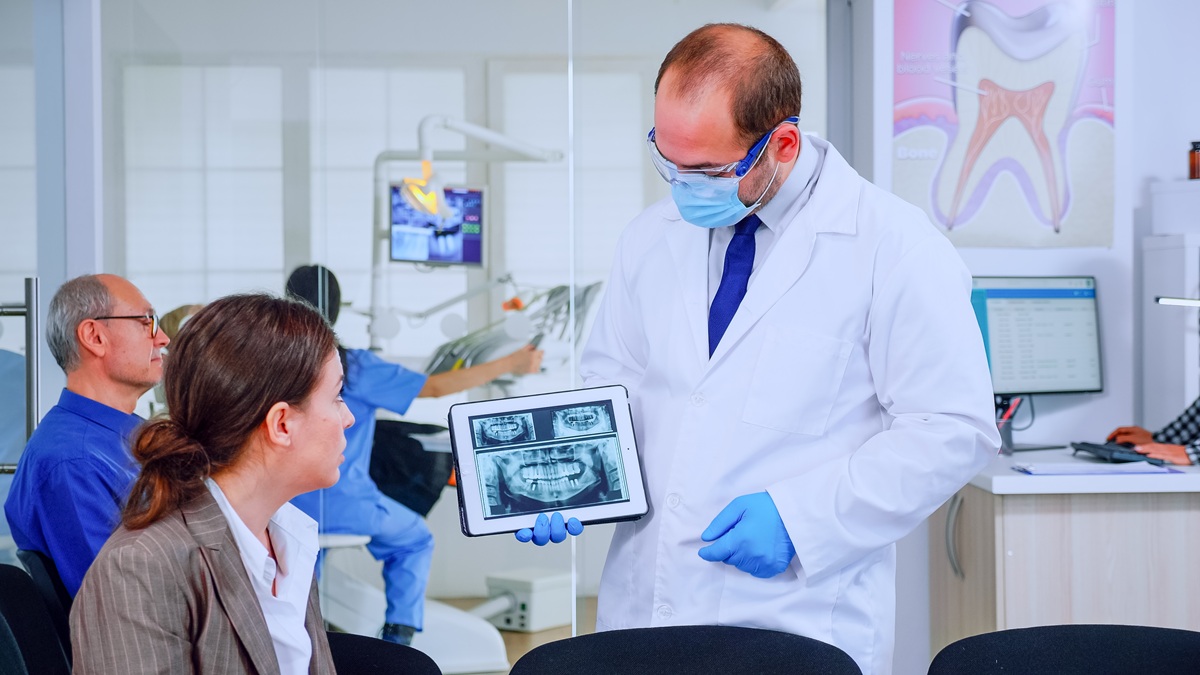
Oral cancer screening in Welland is a simple, non-invasive examination of the mouth and related oral tissues designed to identify suspicious changes that may need further assessment. At Welland Dental Centre, screening can be completed during a routine dental visit and includes visual inspection and gentle examination of the oral tissues.
A Simple Check With an Important Purpose
- Oral cancer screening looks for suspicious sores, colour changes, lumps and other tissue abnormalities before they are easy to overlook.
- Screening is appropriate as part of routine adult dental care, with added importance for people with known oral cancer risk factors.
- The examination is primarily visual and tactile; additional aids such as special lights or dyes may be used when appropriate.
- Tobacco use, significant alcohol use and a previous oral cancer diagnosis were specifically identified as reasons for closer screening attention.
- If a suspicious area is found, the next step may be additional evaluation, referral or biopsy rather than an immediate cancer diagnosis.
What Is an Oral Cancer Screening?
An oral cancer screening is a focused examination of the mouth and surrounding oral structures for changes that could be cancerous or precancerous. Patients may also search for a mouth cancer screening or oral cancer exam when they want to understand whether unusual tissue changes should be checked.
The purpose is early recognition. Screening does not diagnose cancer on its own. Instead, it helps the dentist identify areas that look or feel unusual so that appropriate follow-up can be arranged when needed. This makes screening an important part of proactive dental care and early oral cancer detection.
Welland Dental Centre also includes oral cancer screening as part of its comprehensive Dental Exams****, connecting this service with routine assessment of the teeth, gums, bite, jaw and oral tissues.
Who Should Have Oral Cancer Screening and How Often?
Oral cancer screening can be part of routine dental care for adults, including people who do not have obvious risk factors. The need deserves particular attention when a person has a history that may increase oral cancer risk.
- Tobacco use, including smoking or chewing tobacco.
- Significant or excessive alcohol use.
- A previous oral cancer diagnosis or history of suspicious oral lesions.
- Other recognized oral cancer risk factors, including HPV exposure and prolonged sun exposure to the lips.
- A diet low in fruits and vegetables was also identified in the older Welland educational content as a factor to discuss as part of overall risk assessment.
- Health or lifestyle factors that make the dentist recommend closer monitoring.
Screening frequency is individualized. A yearly oral cancer screening may be appropriate for many adults, while the dentist may recommend a different interval based on medical history, previous findings and risk factors. Regular dental visits provide an opportunity to review that timing rather than applying one schedule to everyone.
What Happens During an Oral Cancer Screening?
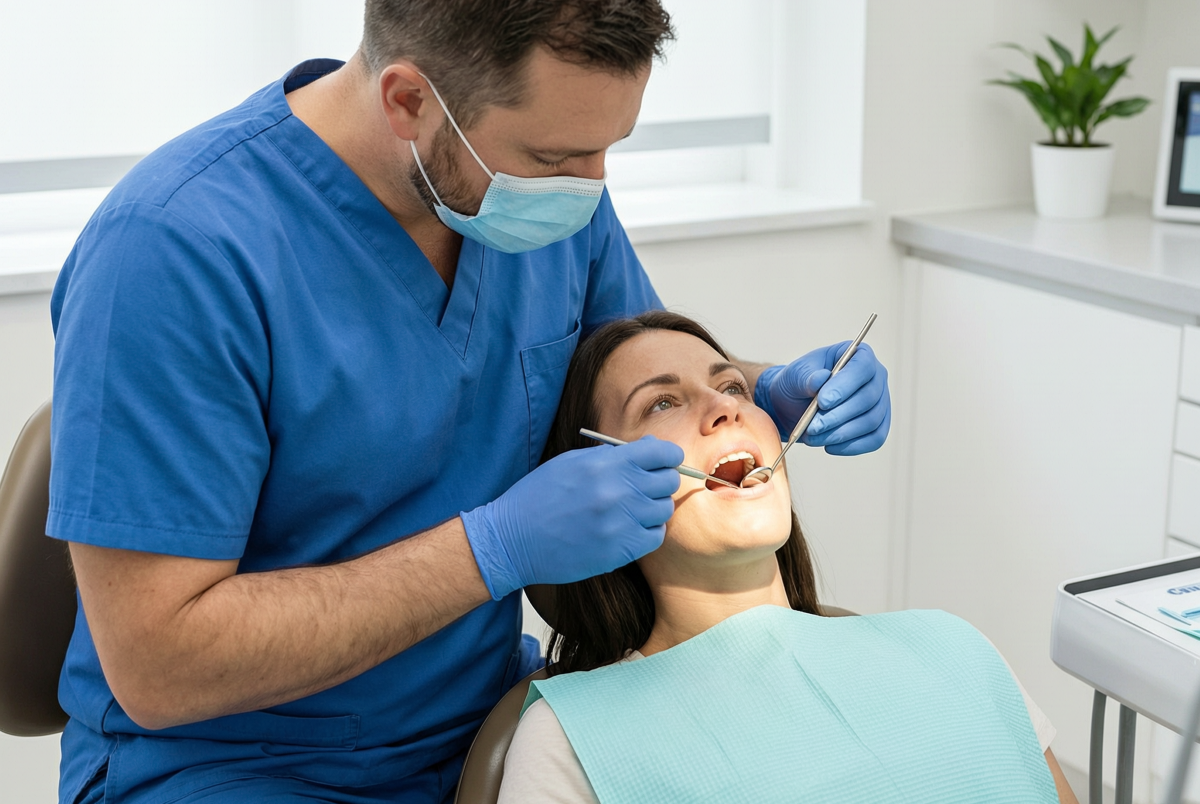
The screening is designed to be simple and non-invasive and is typically performed during a routine dental visit. Before the examination, clean your teeth and remove removable dental appliances so the oral tissues can be seen clearly.
During the screening, the dentist may:
- Review relevant medical history, symptoms and oral cancer risk factors.
- Visually inspect the lips, inside of the mouth, tongue, gums and visible areas toward the throat for sores, patches, colour changes or other abnormalities.
- Gently feel oral tissues for lumps, bumps, thickening or irregular areas.
- Look for changes in texture or lesions that deserve closer evaluation.
- Use additional screening aids, such as special lights or dyes, in selected situations when appropriate.
The visual and physical examination is intended to be comfortable, and the screening itself generally does not require an invasive procedure. If something unusual is identified, that finding is discussed rather than treated as an automatic cancer diagnosis.
Oral Cancer Signs and Symptoms That Should Be Checked
Some oral cancer symptoms can also occur with non-cancerous conditions, so a symptom does not mean that cancer is present. Persistent or unexplained changes should still be assessed, especially when they do not heal or continue to worsen.
- A sore or ulcer in the mouth or on the lip that does not heal.
- Common oral cancer signs can include red, white, grey or mixed-colour patches inside the mouth.
- A lump, growth, thickened area or unexplained change in oral tissue.
- Possible mouth cancer symptoms can include persistent mouth pain, bleeding or an unexplained change in how dentures fit.
- Other changes in the lips, tongue, cheeks, gums or nearby oral tissues that persist.
For more educational information about warning signs and risk, see The Hidden Dangers of Oral Cancer: Why Early Detection Is Key****.
What Happens If the Dentist Finds a Suspicious Area?
Many screenings do not identify a concerning area. When something suspicious is seen or felt, however, screening is only the first step. The area may need to be re-evaluated, investigated further or referred for more specialized assessment.
- The dentist explains what was noticed and why it needs attention.
- Additional examination or a screening aid may be considered when appropriate.
- Referral to a specialist may be recommended for a more comprehensive evaluation.
- A biopsy may be required to diagnose or rule out oral cancer; screening alone cannot make that diagnosis.
- Follow-up helps monitor the area and keeps the patient informed about the next step.
If further testing confirms cancer, the dental team can help the patient understand the referral pathway and coordinate the next steps with the appropriate healthcare providers. The goal of screening is to identify concerns early enough that they can be properly investigated.
Frequently Asked Questions
What is oral cancer screening?
How is an oral cancer screening done?
Can dentists screen for oral cancer?
How often should I have an oral cancer screening?
What happens if something suspicious is found?
Make Oral Tissue Screening Part of Your Preventive Care
Changes in the mouth are not always painful or obvious. A routine screening gives the dentist an opportunity to check the oral tissues, discuss risk factors and identify anything that may need closer attention.
If you are searching for oral cancer screening near me in Welland, Book an Appointment**** for an oral cancer screening and a clear explanation of any findings.