

Dental sealants are protective coatings placed on the chewing surfaces of suitable teeth to help protect deep grooves and pits from plaque and bacteria. At Welland Dental Centre, they are mainly considered for children and teens with newly erupted molars after the teeth and individual cavity risk have been assessed.
Extra Protection for Hard-to-Clean Grooves
- Sealants create a protective barrier over suitable tooth enamel.
- They are mainly recommended for children and teens with newly erupted molars.
- The tooth must be free of active decay before a standard sealant is placed.
- Standard sealant placement is described as quick and painless.
- No drilling or anaesthetic is required for a standard sealant.
- Sealants are checked during regular dental exams and may be reapplied if they become worn or damaged.
- The typical cost provided by Welland Dental Centre is $40 per tooth.
Not every molar automatically needs a sealant.
The useful question is whether the grooves in a particular tooth are difficult enough to clean, and whether that tooth is suitable for added protection.
What Are Dental Sealants?
A dental sealant is a preventive coating placed on the chewing surface of a tooth.
Molars can have deep grooves and pits where plaque and bacteria are more difficult to remove with normal brushing. A sealant covers those suitable grooves and creates a protective barrier over the enamel.
The goal is to reduce the risk of decay developing in areas that are harder to keep clean.
If you would like a deeper explanation of the treatment itself, you can also read our guide on how dental sealants work.
This service page, however, is focused on whether sealants may be appropriate for you or your child and what to expect at Welland Dental Centre.
Who Is Usually Recommended for Dental Sealants?
Welland Dental Centre mainly recommends dental sealants for children and teens with newly erupted molars.
The decision is still based on an individual risk assessment rather than age alone.
The dentist looks at the tooth itself, including whether the chewing surface has deep grooves and pits that may benefit from additional protection.
A Dental Exam gives the dentist an opportunity to assess the tooth and discuss whether a sealant is appropriate.
Which Teeth Can Have Dental Sealants?
Dental sealants are best suited to molars with deep grooves and pits.
Before recommending treatment, the tooth is assessed to make sure it is suitable.
At Welland Dental Centre:
- The tooth should be free of active decay.
- Deep grooves and pits may make the tooth a better candidate.
- Teeth with existing fillings are not treated with a standard sealant.
- The condition of the enamel is considered.
- Oral hygiene and individual cavity risk are part of the decision.
This is why sealants should not be treated as an automatic procedure for every back tooth.
Can You Put a Sealant Over a Cavity?
A standard dental sealant is not placed on a tooth with active decay at Welland Dental Centre.
The tooth is assessed first to determine whether it is healthy enough for preventive sealant treatment.
If decay is already present, the dentist can explain what type of care is appropriate instead of simply covering the area.
This distinction matters because sealants are intended as preventive care, not as a replacement for treatment when a tooth already has a cavity.
How Are Dental Sealants Applied?
The standard dental sealant procedure is relatively straightforward.
At Welland Dental Centre:
- The tooth is cleaned.
- The tooth surface is prepared for the sealant.
- The sealant material is painted onto the chewing surface.
- The finished sealant becomes part of the tooth's preventive care plan.
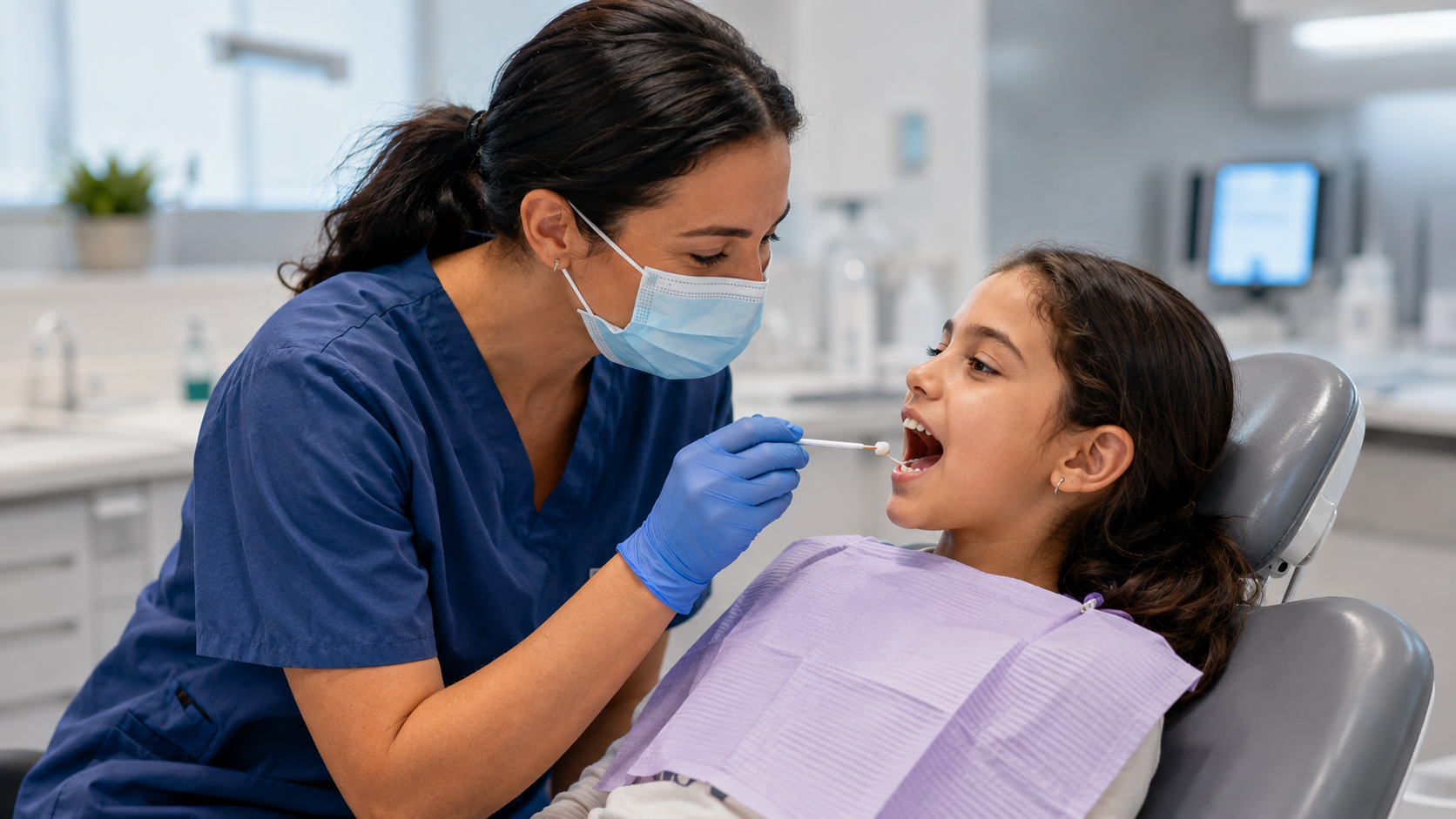
The clinic describes standard sealant placement as a quick and painless procedure that can be completed during a routine dental visit.
Standard sealant placement does not require drilling or anaesthetic.
What Is a Preventive Resin?
Welland Dental Centre also notes that a preventive resin may sometimes be recommended when a groove or stained area is deep enough that the tooth needs preparation with a dental handpiece before the material is placed.
That is different from a standard sealant, which does not require drilling.
You do not need to decide which type is needed yourself.
The dentist can examine the groove and explain whether a standard sealant, preventive resin or another approach is appropriate.
Do Dental Sealants Hurt?
Welland Dental Centre describes the standard dental sealant procedure as quick and painless.
The tooth is cleaned and prepared before the sealant material is applied to its chewing surface.
No drilling or anaesthetic is required for a standard sealant.
If the dentist believes a preventive resin or another type of treatment is needed instead, the difference should be explained before proceeding.
How Long Do Dental Sealants Last?
There is no single fixed lifespan for every dental sealant.
How long a sealant lasts can depend on factors such as oral habits and bite forces.
Rather than giving every patient the same replacement date, Welland Dental Centre checks sealants during regular dental examinations.
If wear or damage is found, the sealant may be reapplied when appropriate.
This means ongoing Dental Exams remain important even after sealants have been placed.
Do Dental Sealants Replace Brushing and Dental Cleaning?
No. Sealants are one part of preventive dental care.
They protect suitable grooves and pits, but they do not replace regular home care or professional preventive visits.
Depending on individual needs, ongoing preventive care may also include Dental Hygiene and Teeth Cleaning.
The sealant protects a specific part of a tooth. Your broader preventive care plan still looks at the health of your teeth and gums as a whole.
Dental Sealants or Fluoride Treatment?
Dental Sealants and Fluoride Treatment are both preventive services, but they are not the same treatment.
A dental sealant is a coating placed on the chewing surface of a suitable tooth, particularly over deeper grooves and pits.
Fluoride varnish is applied professionally to support enamel and help reduce cavity risk.
The dentist can determine whether one, both or neither belongs in an individual preventive plan.
There is no reason to assume that every child who receives fluoride also needs sealants, or that every sealed tooth requires the same preventive schedule.
How Much Do Dental Sealants Cost?
The typical dental sealant cost provided by Welland Dental Centre is approximately $40 per tooth.
The total depends on how many teeth are being treated.
Insurance coverage is reviewed according to the patient's age and individual plan details.
Patients are informed of the expected cost before the sealant is placed.
This allows you to understand both the recommended number of teeth and the expected personal cost before deciding to continue.
Are Dental Sealants Covered by Insurance?
Coverage can depend on the patient's age and the details of the individual dental plan.
Welland Dental Centre reviews coverage information when applicable and explains the expected cost before placement.
Because plans differ, coverage should not be assumed simply because sealants have been recommended.
When Should Dental Sealants Be Checked?
Sealants are checked during regular dental exams.
The dentist looks for signs of wear or damage and can determine whether reapplication is appropriate.
There is no fixed replacement schedule provided for every patient because longevity varies with oral habits and bite forces.
This approach keeps the decision based on the condition of the sealant rather than replacing it simply because a certain amount of time has passed.
How Dental Sealants Fit Into Preventive Dentistry
Dental sealants work best as part of a broader preventive plan rather than as a stand-alone solution.
A Dental Exam can determine whether the tooth is suitable for a sealant and whether there are any existing concerns.
Ongoing Dental Hygiene and Teeth Cleaning help maintain the rest of the mouth, while Fluoride Treatment may be considered according to cavity risk.
Each service has a different purpose. The goal is to use the preventive care that matches the patient's actual risk and findings.
FAQs About Dental Sealants Welland
What are dental sealants?
Who is usually recommended for dental sealants?
How are dental sealants applied?
Can a tooth with a cavity receive a sealant?
How long do dental sealants last?
How much do dental sealants cost?
Do dental sealants require drilling?
Find Out Whether the Tooth Actually Needs a Sealant
Dental sealants in Welland may provide useful extra protection for suitable newly erupted molars with deep grooves and pits.
The first step is checking that the tooth is free of active decay and deciding whether a standard sealant, preventive resin or another approach makes sense. Book a preventive dental visit in Welland to find out whether dental sealants are appropriate for your child's teeth.